
It’s World Wildlife Day, and by tradition I like to look back and post some of my favourite wildlife photos. As a nature lover with a photography hobby, my success in getting an outstanding shot of animals in the wild is based on luck, patience and skill (in that order). And by “the wild”, I’m talking about a forest trail not far from home, where we enjoy walking the woods in all seasons.
The best wildlife photos usually make their way to the blog and my social media sites, but we have many wildlife encounters where the photographic evidence is either poor or non-existent. No camera, wrong camera, wrong settings, too slow or too fast on the draw… I only mourn the lost opportunity for a short time, because the observation and conservation of wildlife is the greater priority. A picture may be worth a thousand words but extinction is forever.
The photographic evidence is not always of the animal itself. One of my photo albums is called “Tracks & Scat” (I couldn’t have predicted that interest in my younger years.) Mud and snow reveals some of the hidden inhabitants - pawprints that inspire me to look up charts on how to identify the tracks of canine, feline, ursine and ??? (We’ve never seen a black bear but there’s enough evidence to include bear spray along with the ubiquitous tick spray in the backpack.) No pictures of scat here (you’re welcome), but that also indicates diet, and it all adds to the body of knowledge and confirms that our recreation trails are habitat and home to many living things we have never laid eyes on.
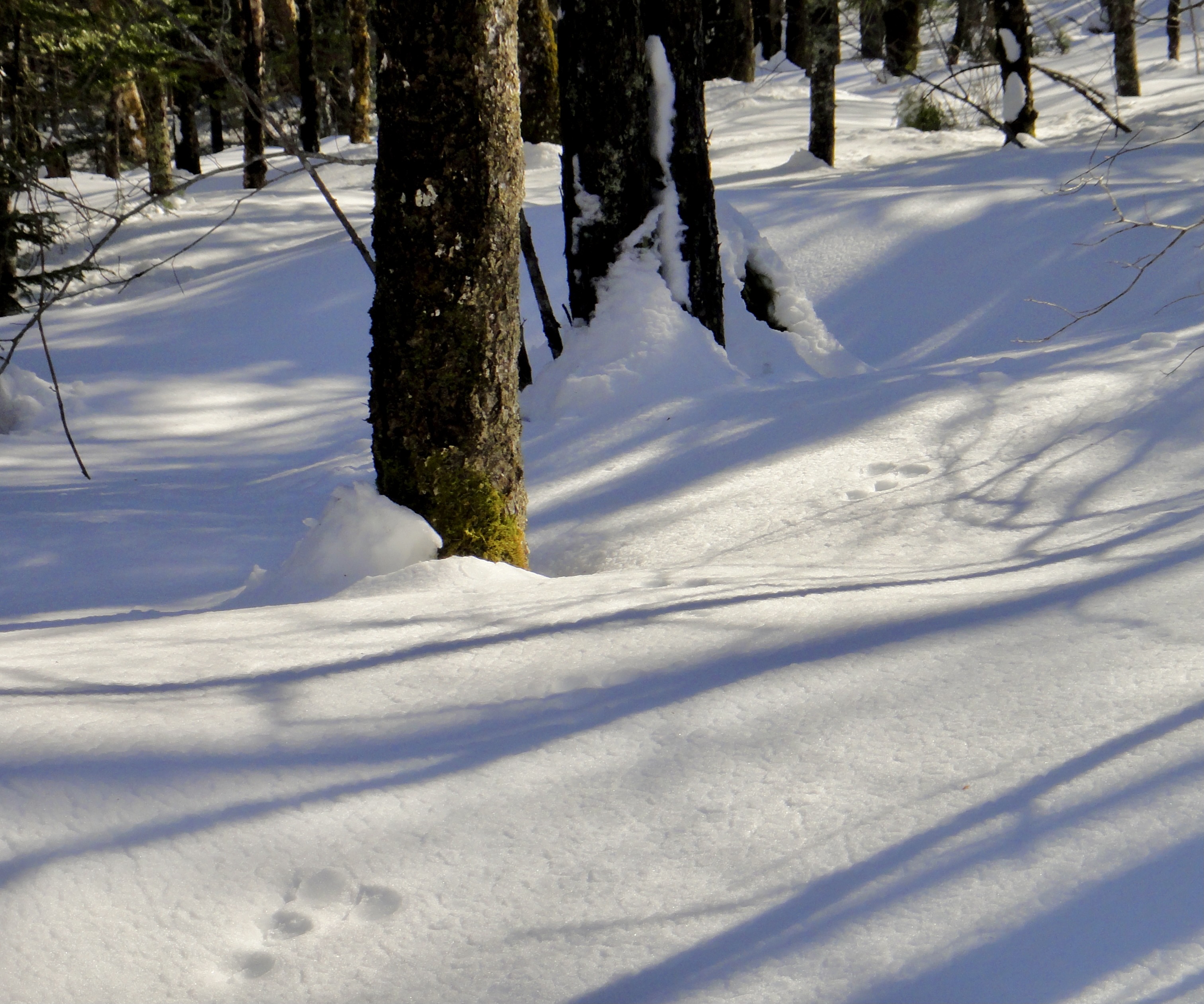
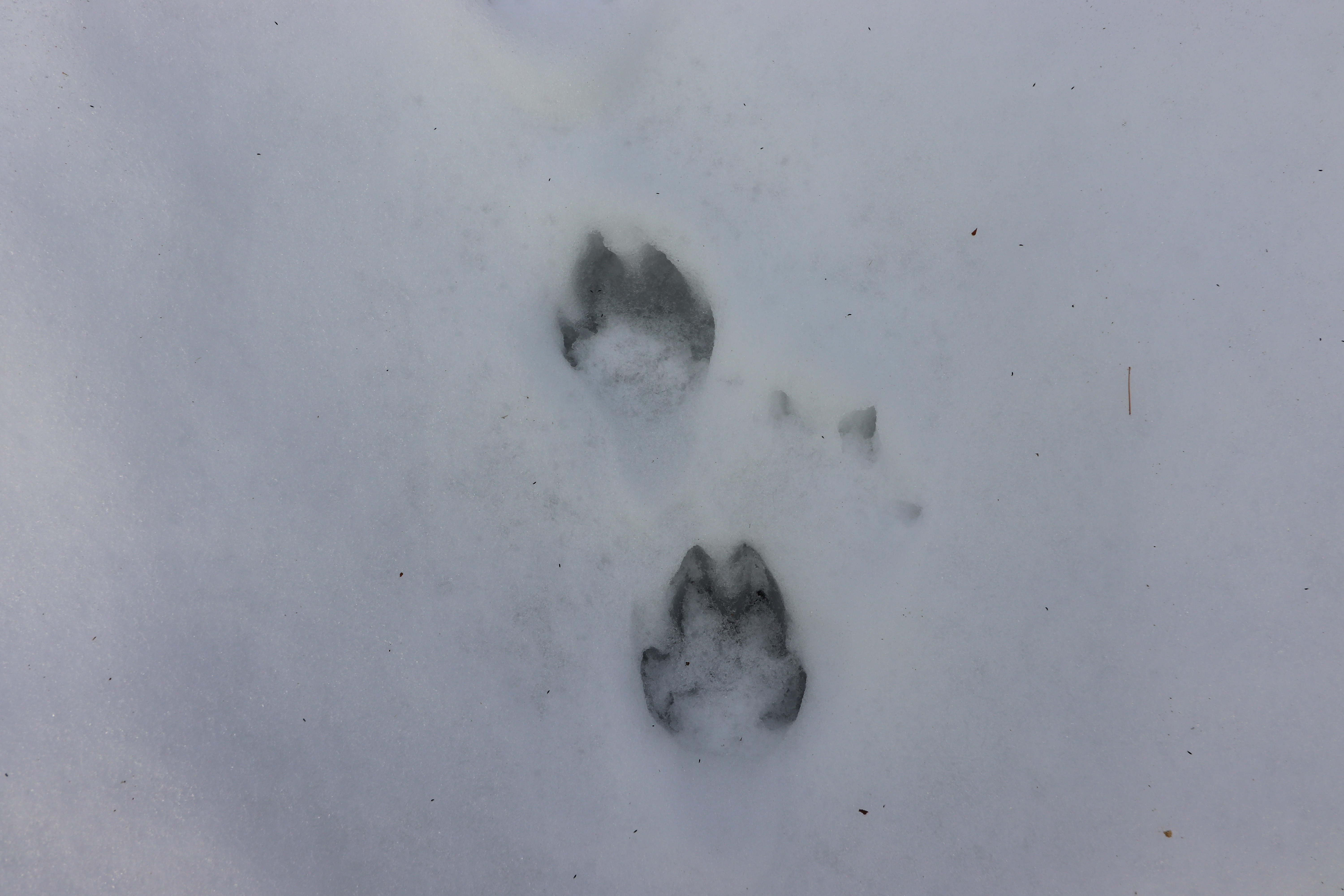
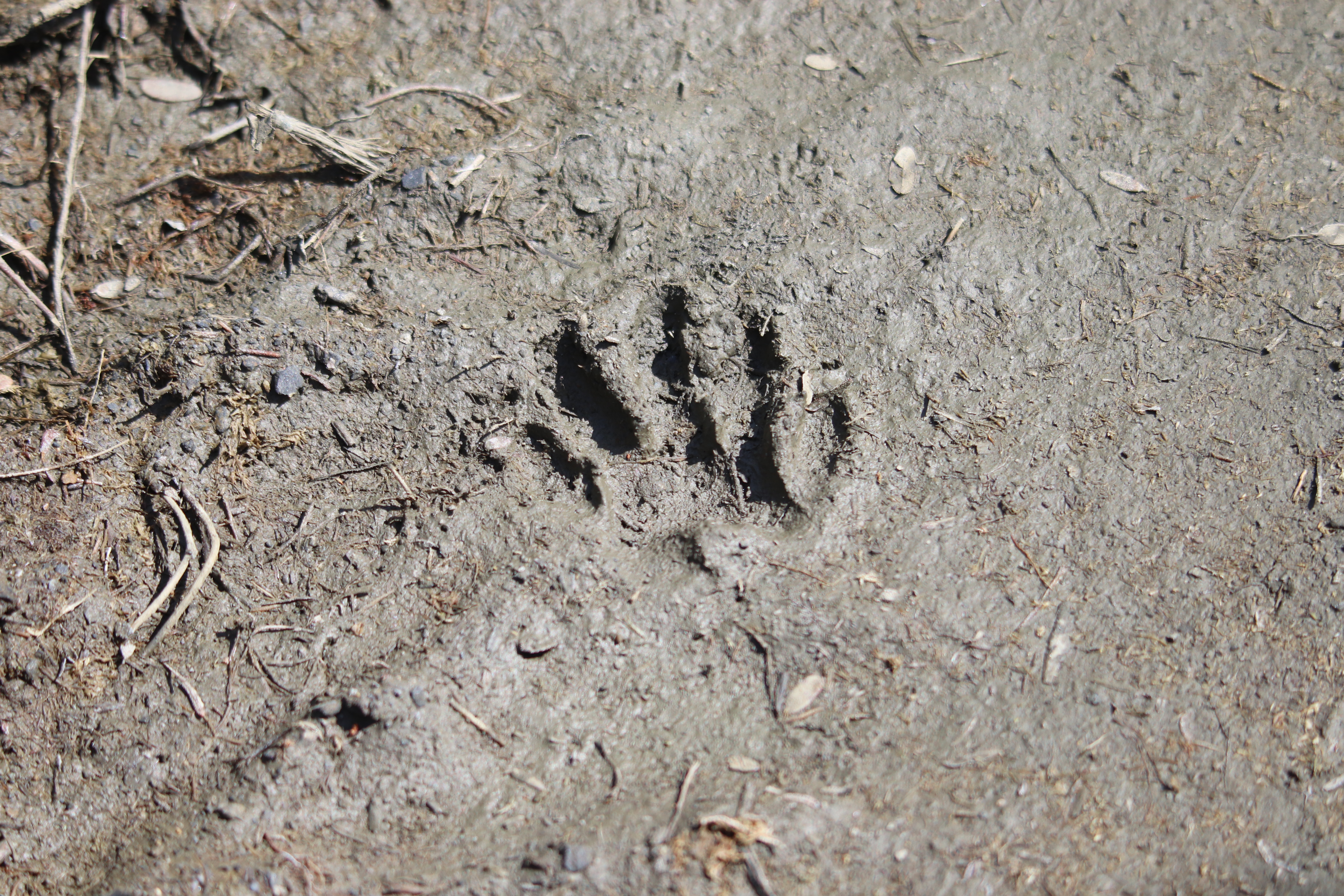
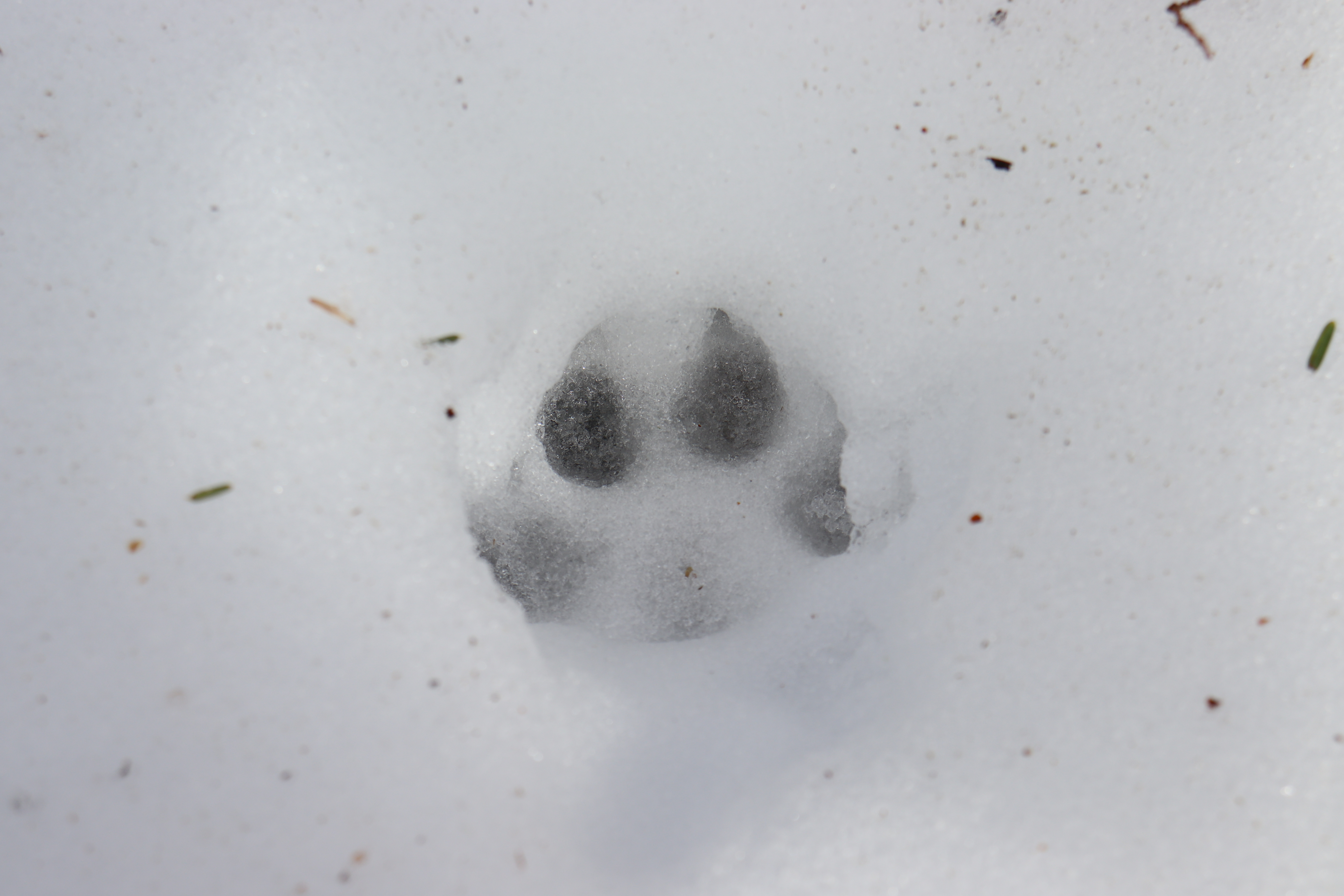
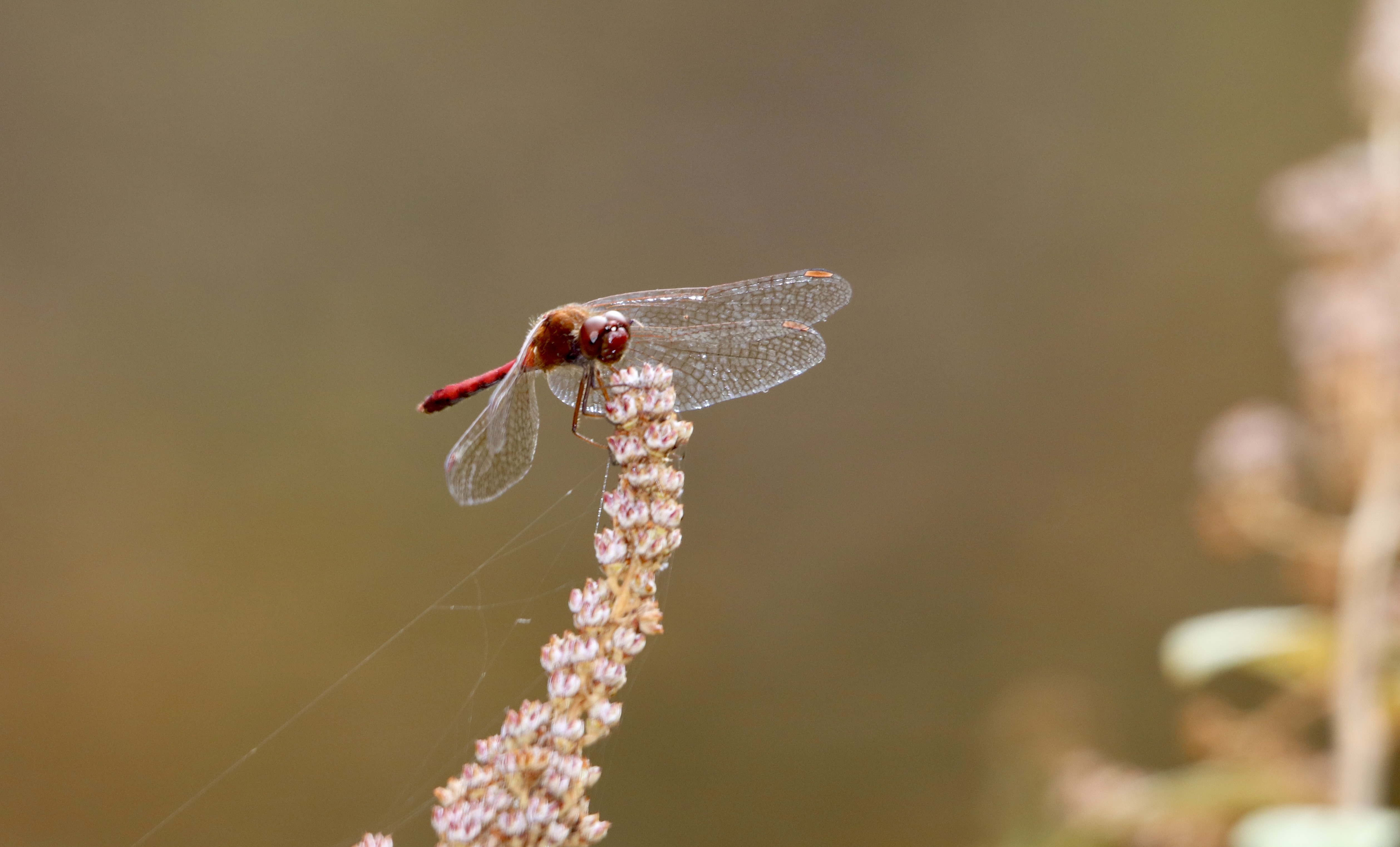
There’s one particular woods trail we’ve walked most in the past twelve years, a two kilometer hike from the road entrance to the bog and back, where wildlife is plentiful. Depending on the season, the air is busy with dragonflies and buzzy with bees, the chatter of birds and squirrels, the harder-to-spot frogs, snakes and turtles.
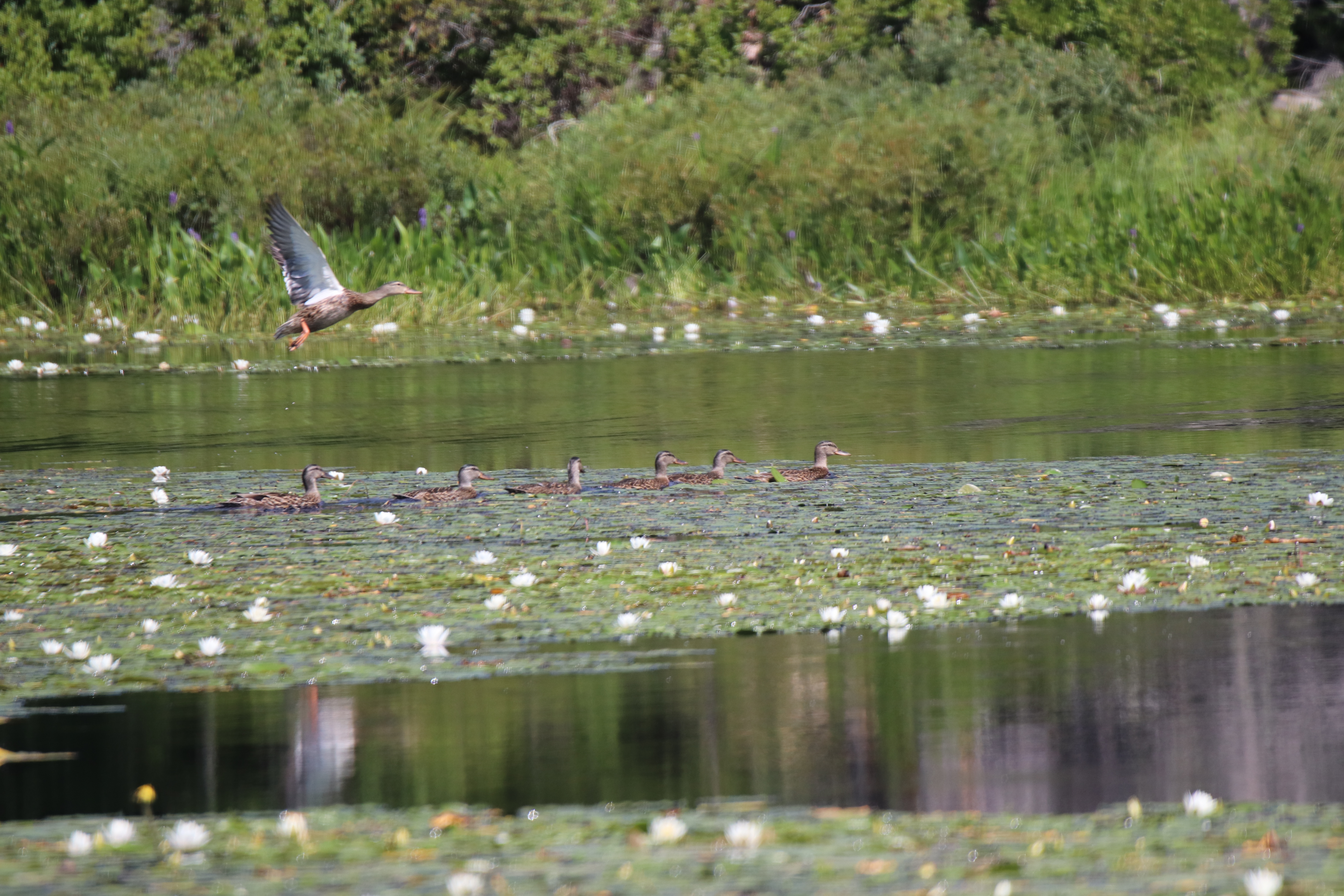
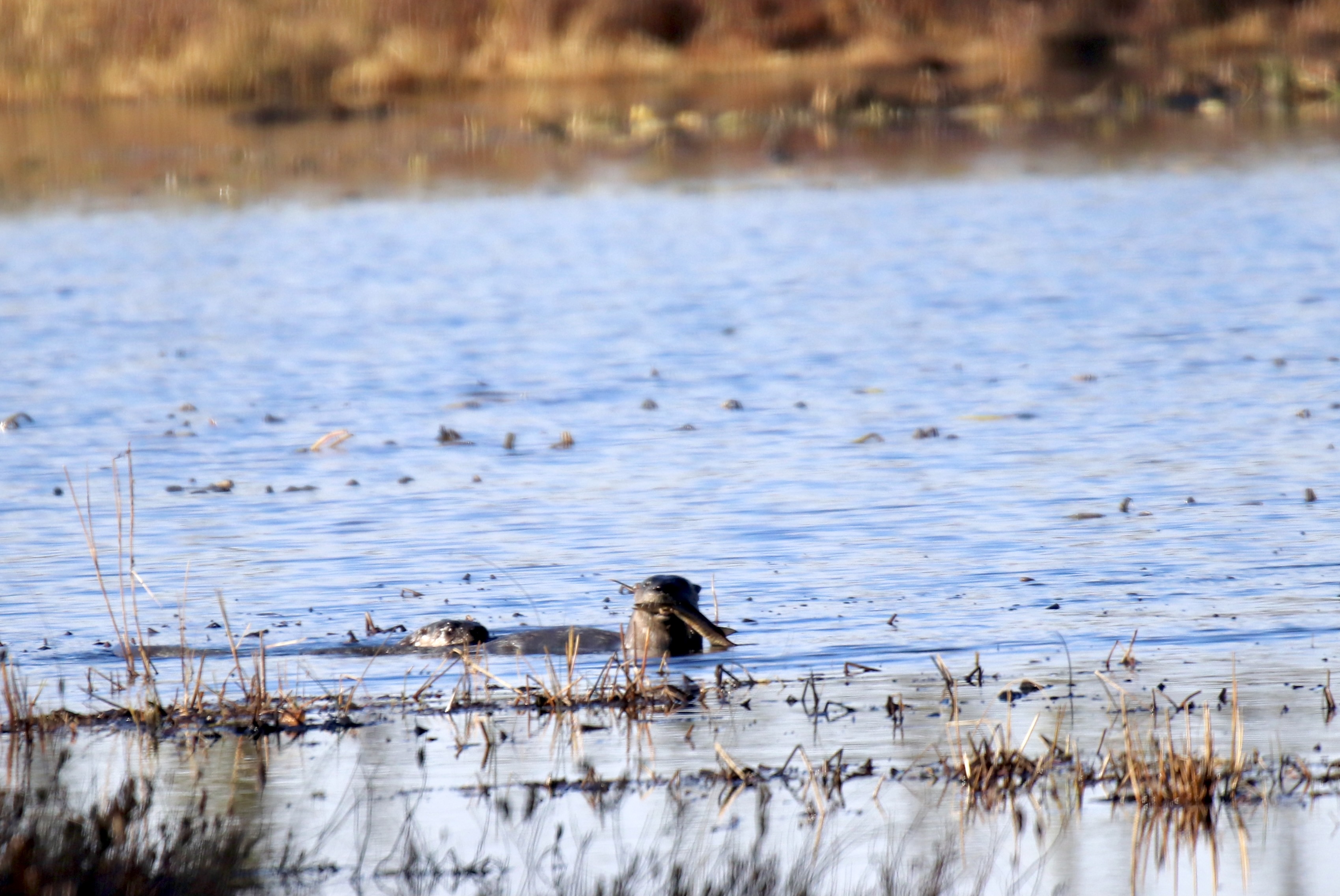
 The ecology of the woods and wetland, about 200 acres, seems to work at least to this untrained observer. If predator and prey weren’t in balance, we would likely see more or less of this or that, and the small, shallow bog with its rafts of lily pads is host to ducks, turtles and other water-loving wildlife. This summer saw the arrival of wood ducks, with their beautiful colours and shy manner they are not easy to photograph but trying was motivating. And then, for the first time, a trio of river otters.
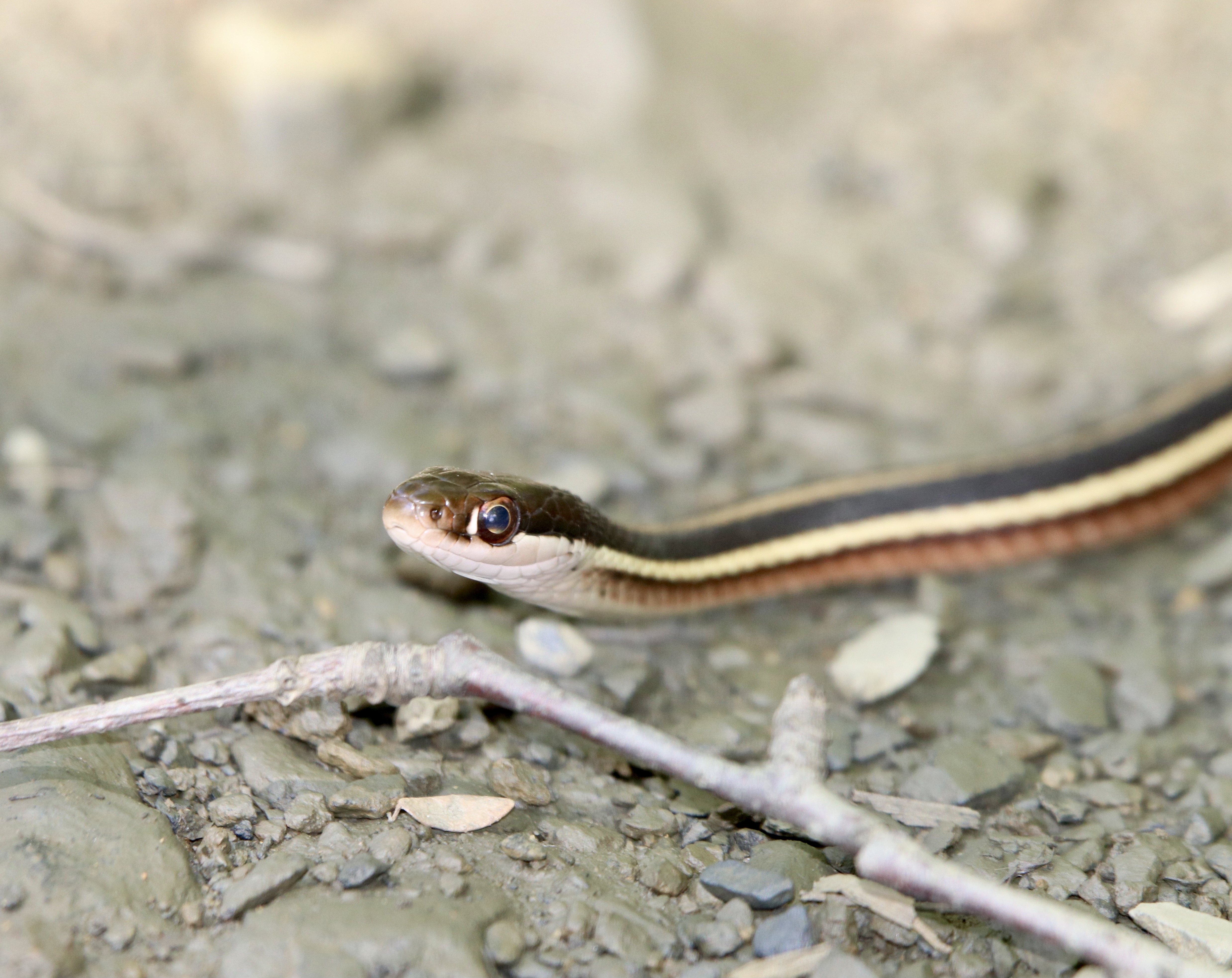
 A highlight in early fall was spotting another Eastern Ribbon Snake, the population of Lunenburg County in Nova Scotia is considered a Species at Risk. I’ve seen them twice before, confirmed by experts in the field, but only in late October. Seeing one very early in September points to them living in the area as more than a wintering ground. We'll keep our eyes open (and down) for more of those this summer.
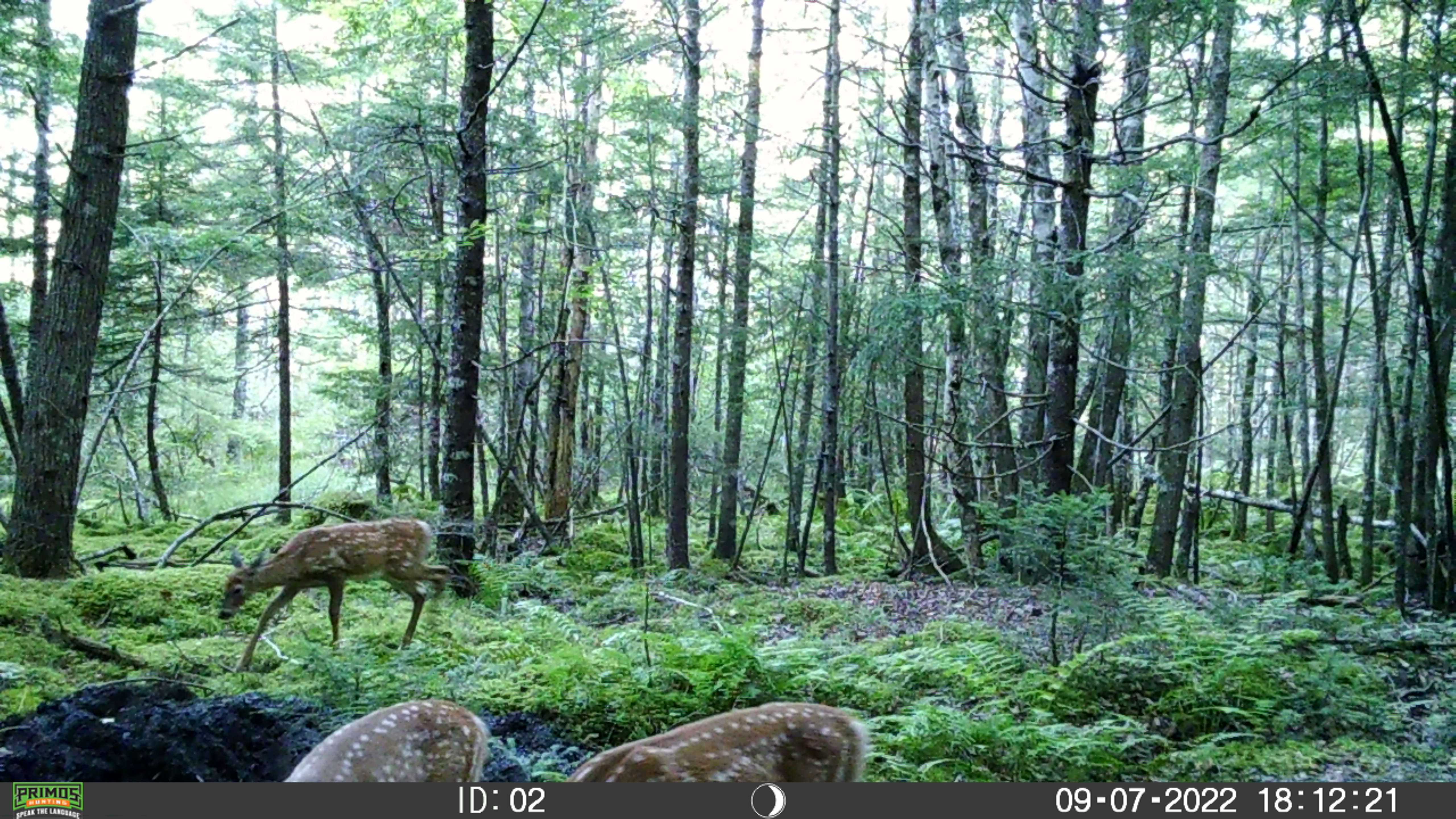
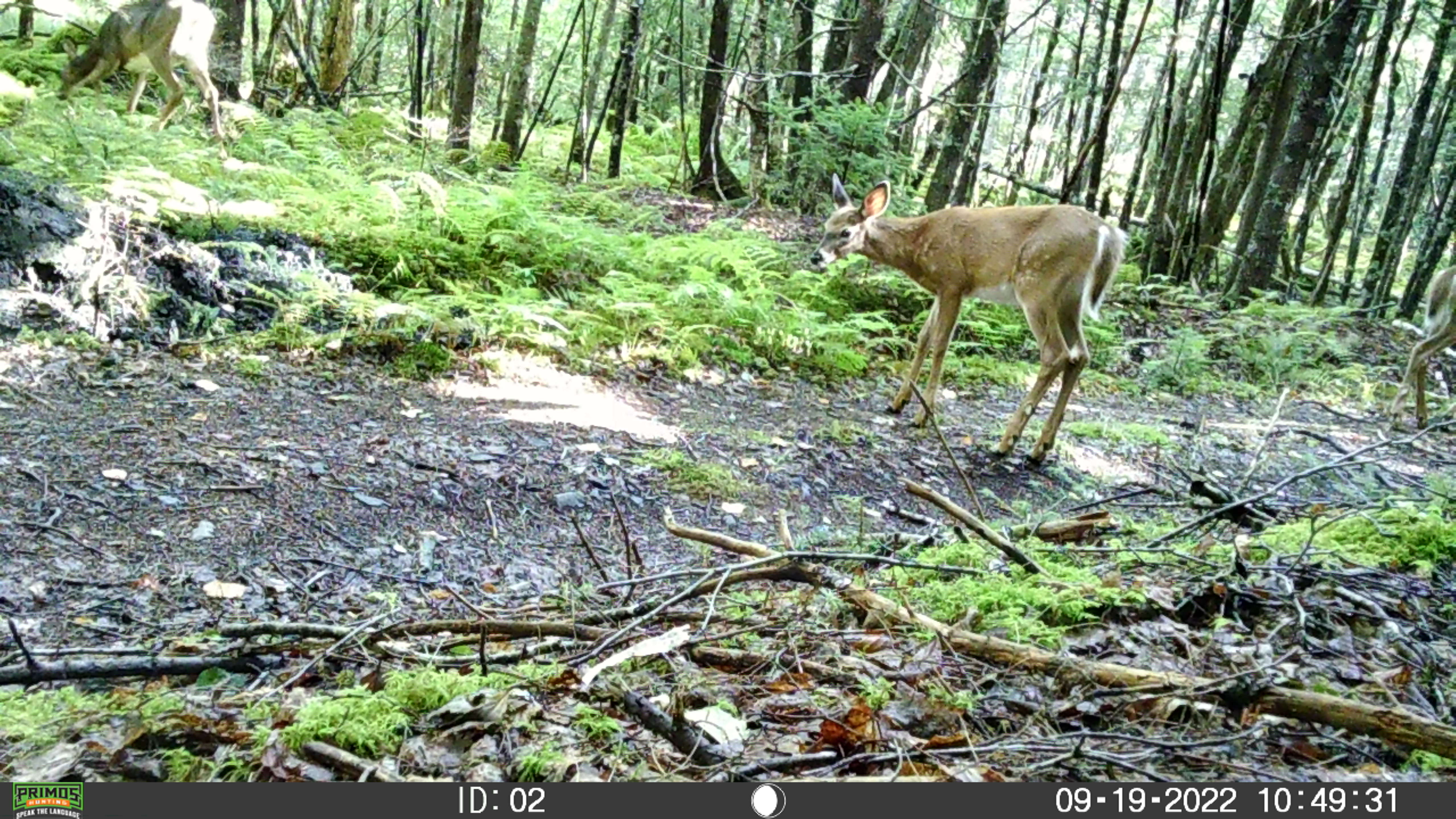
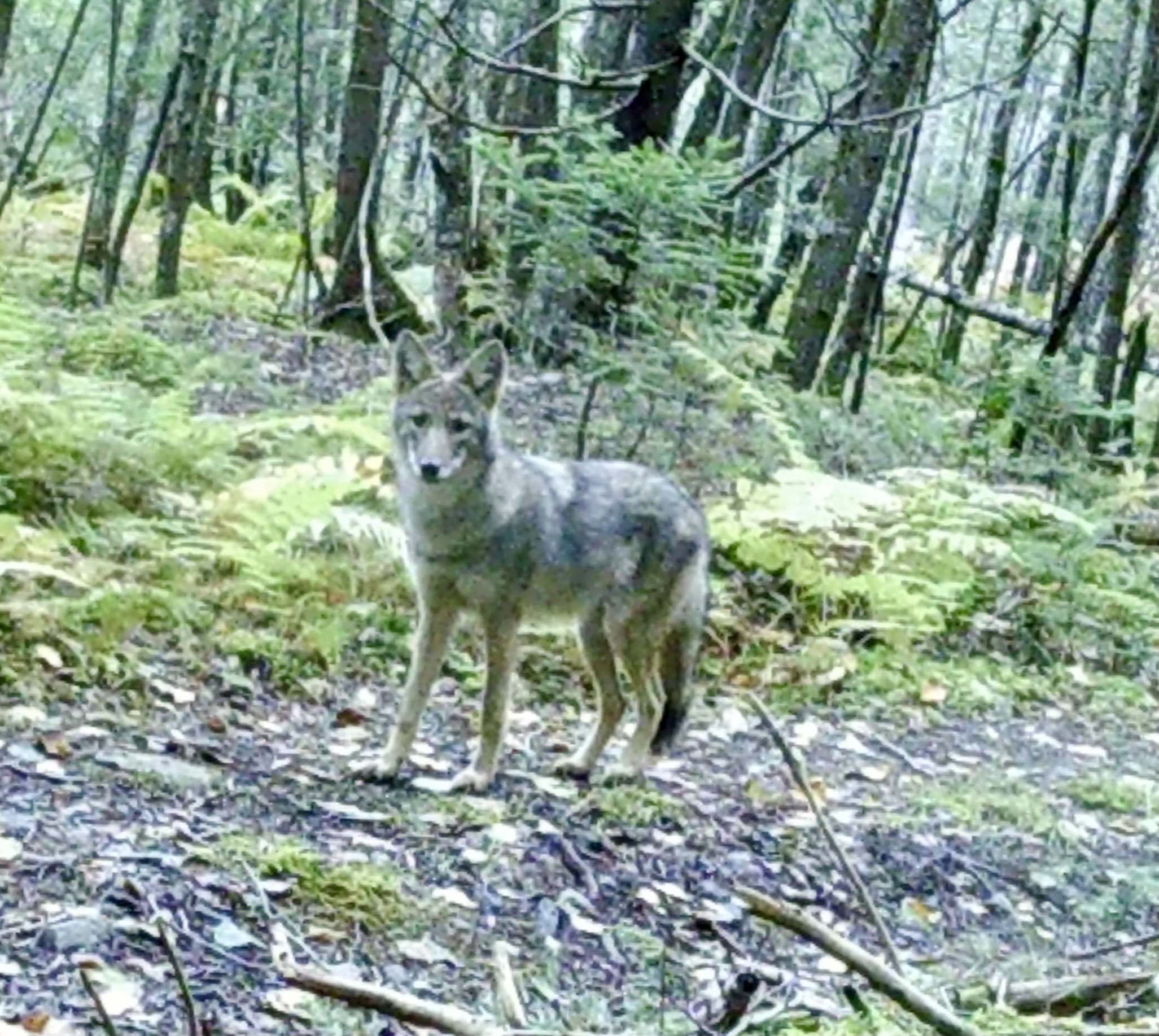
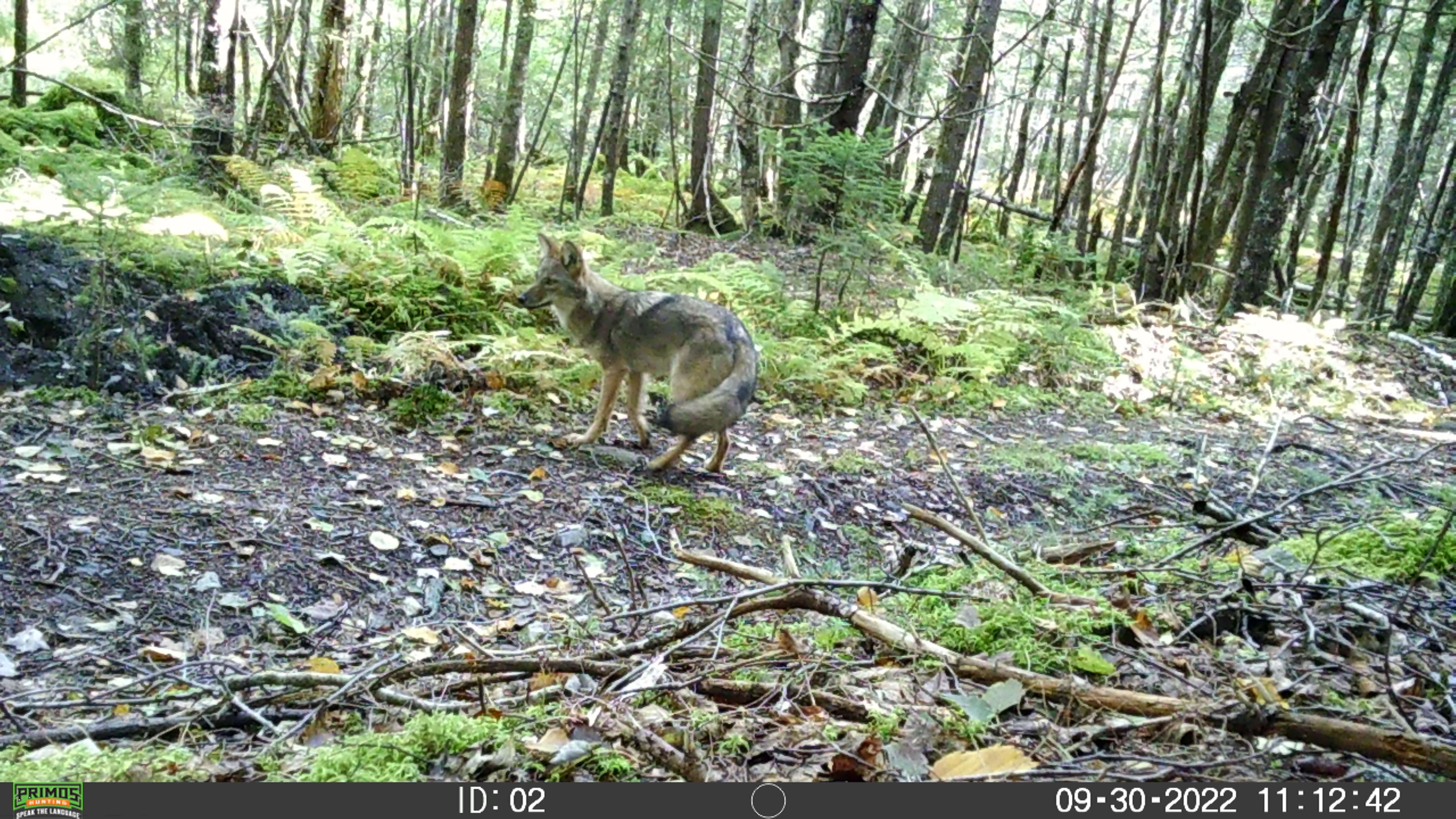
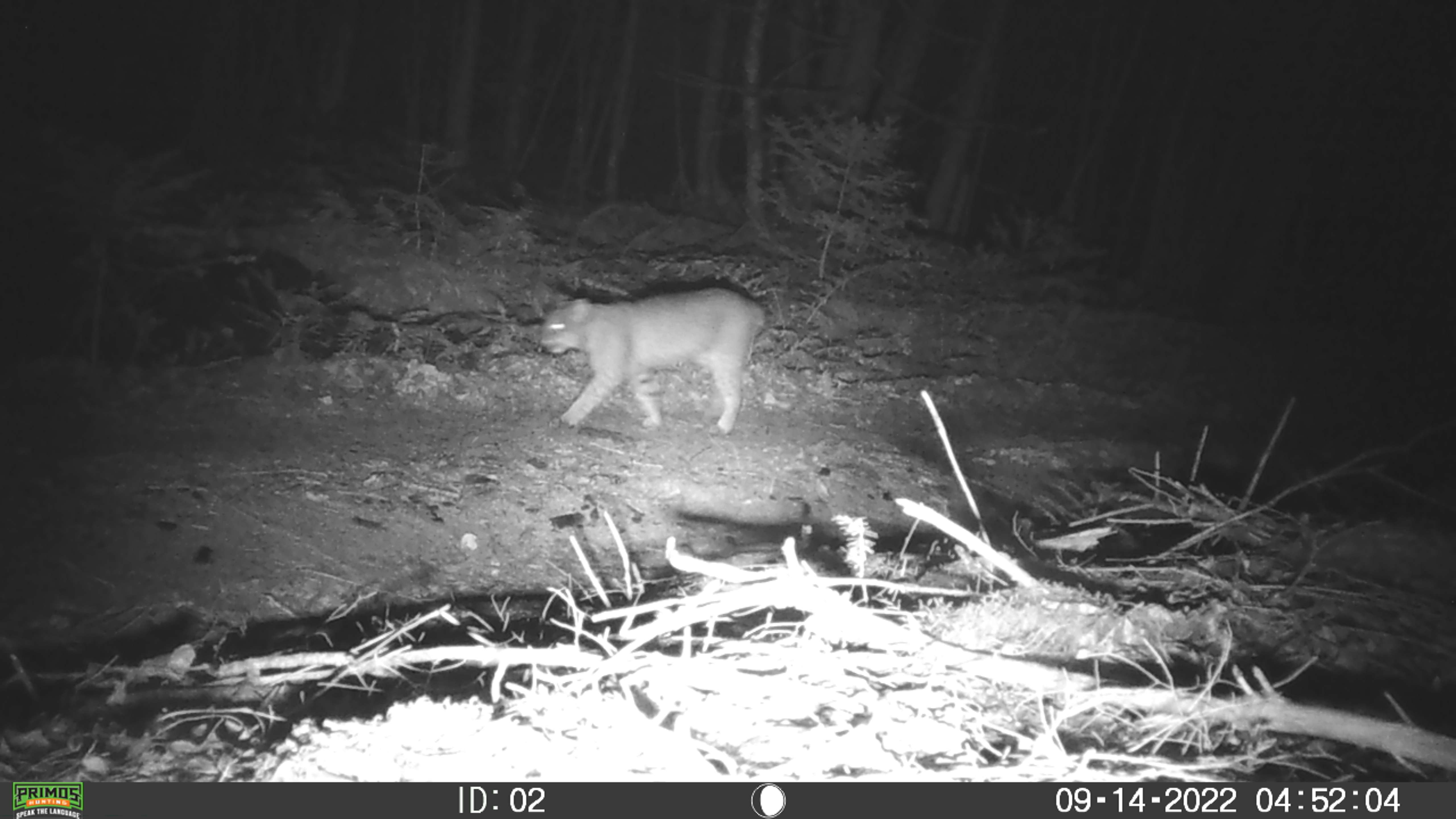
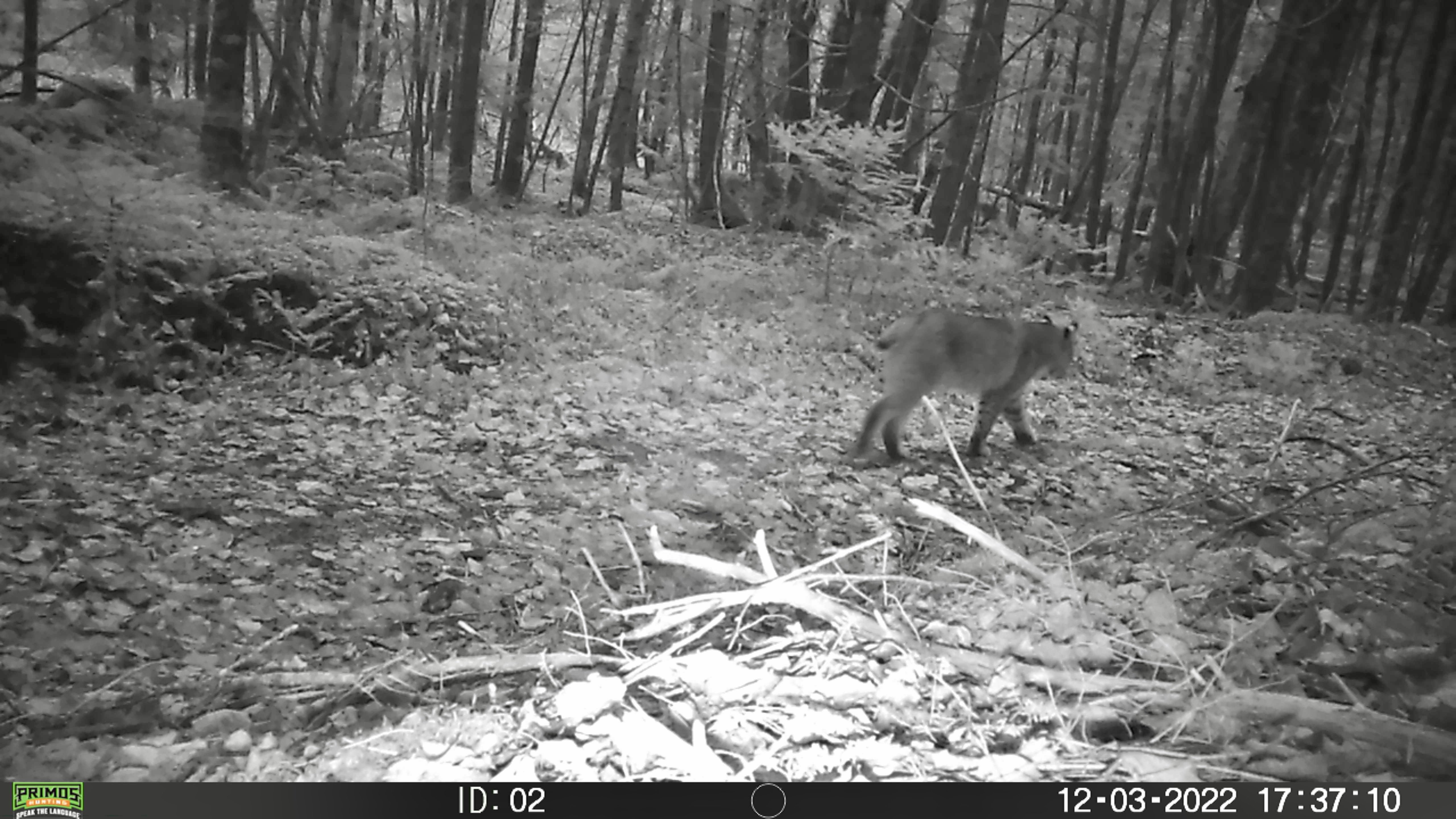
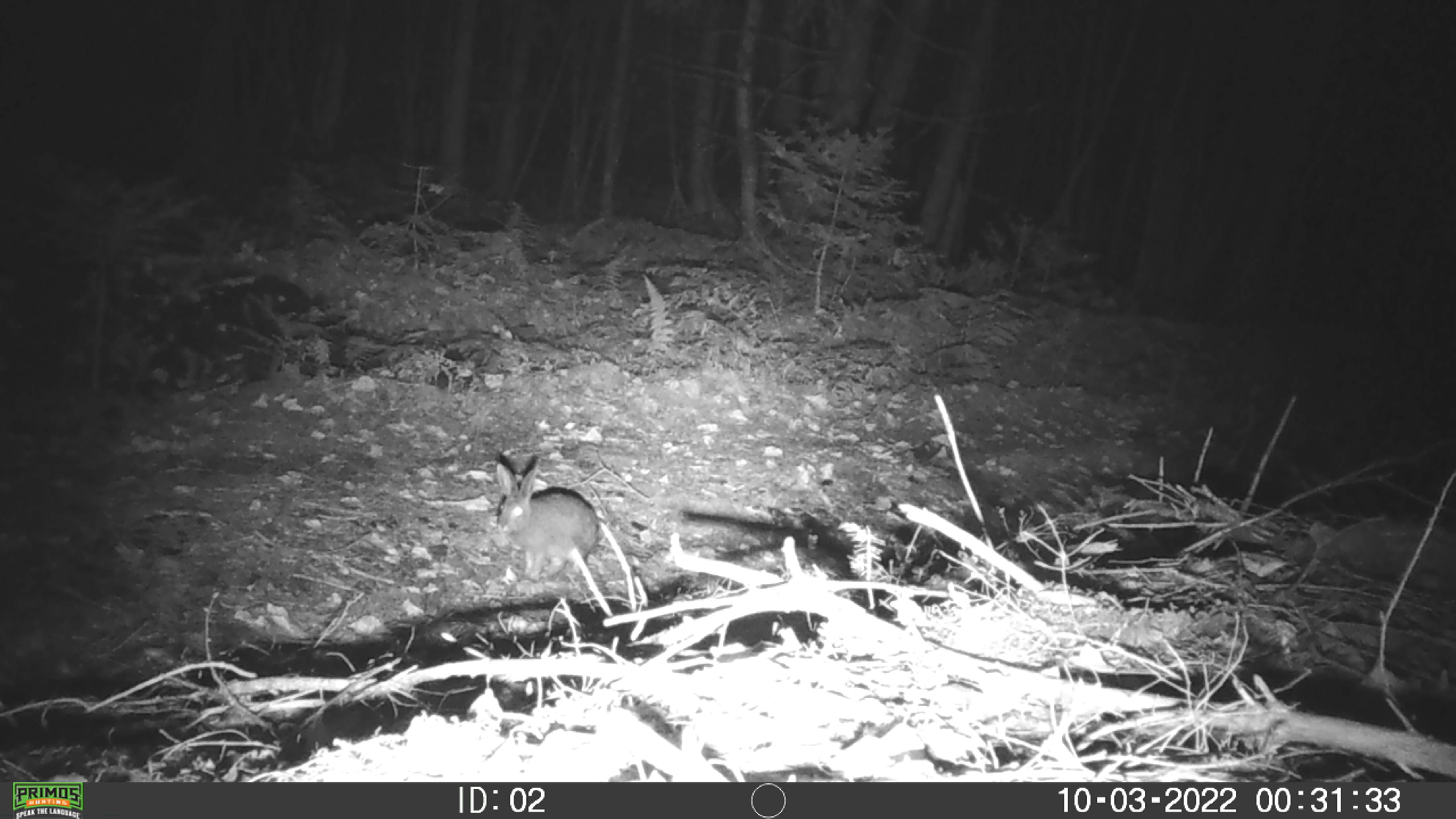
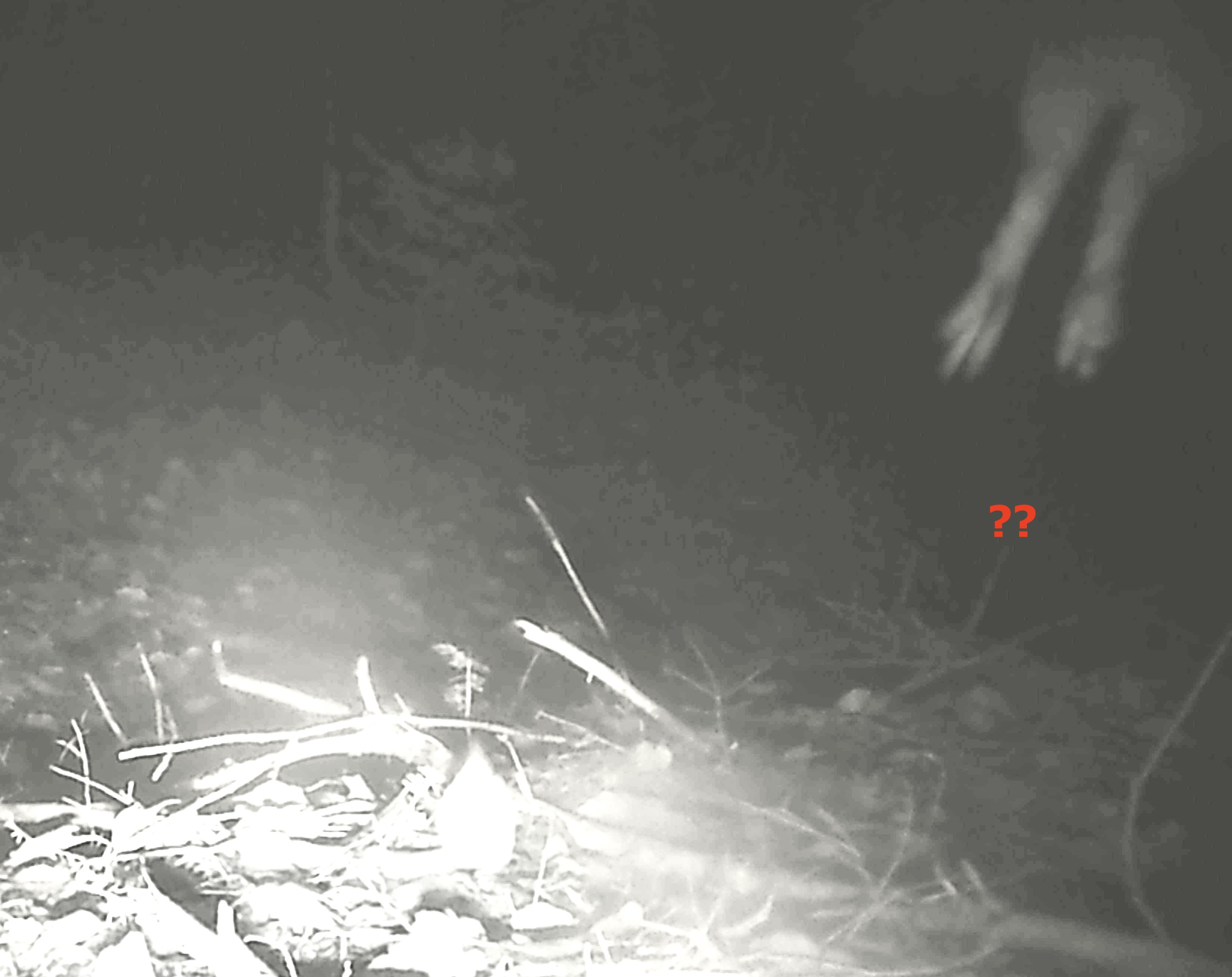
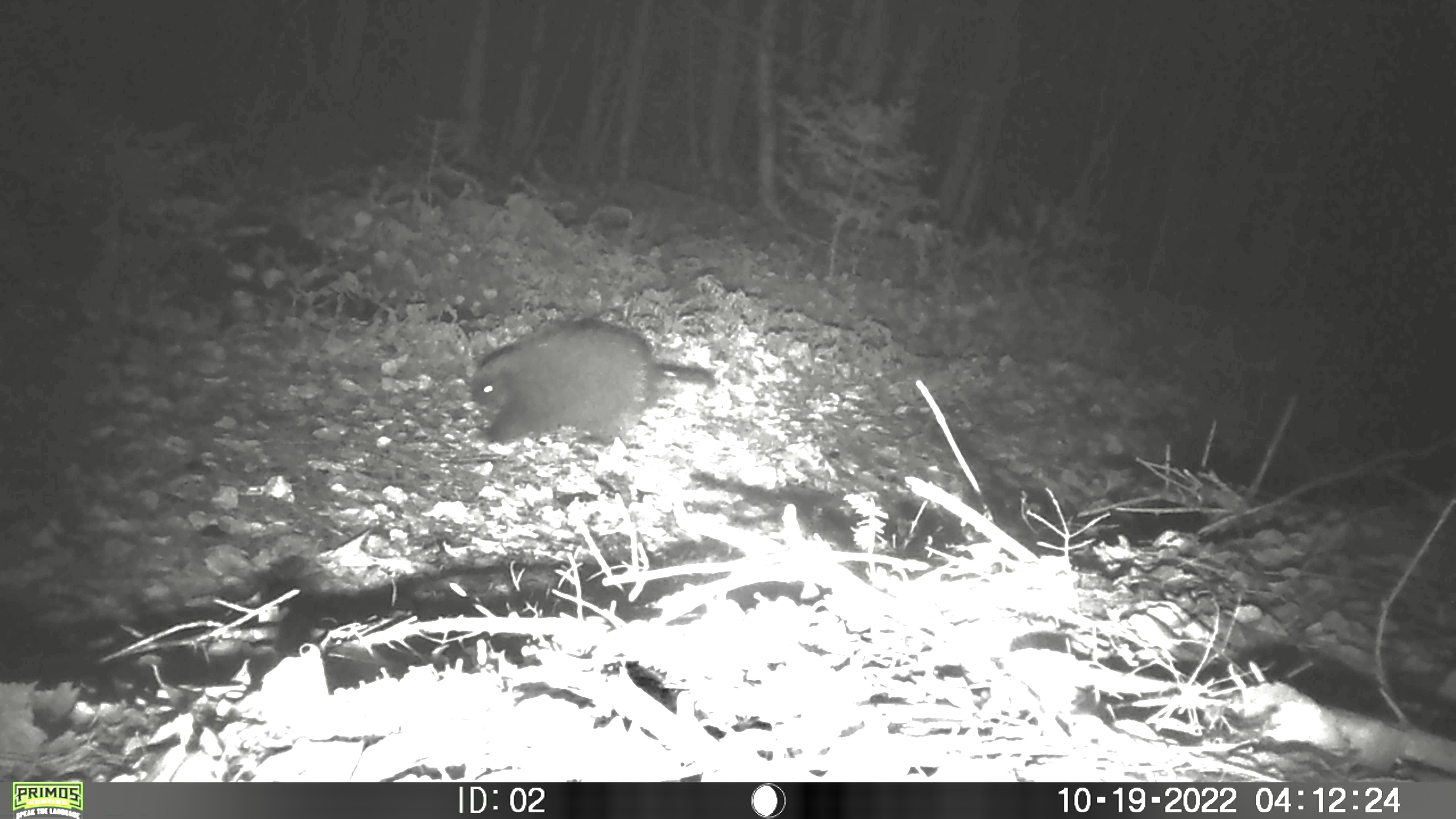
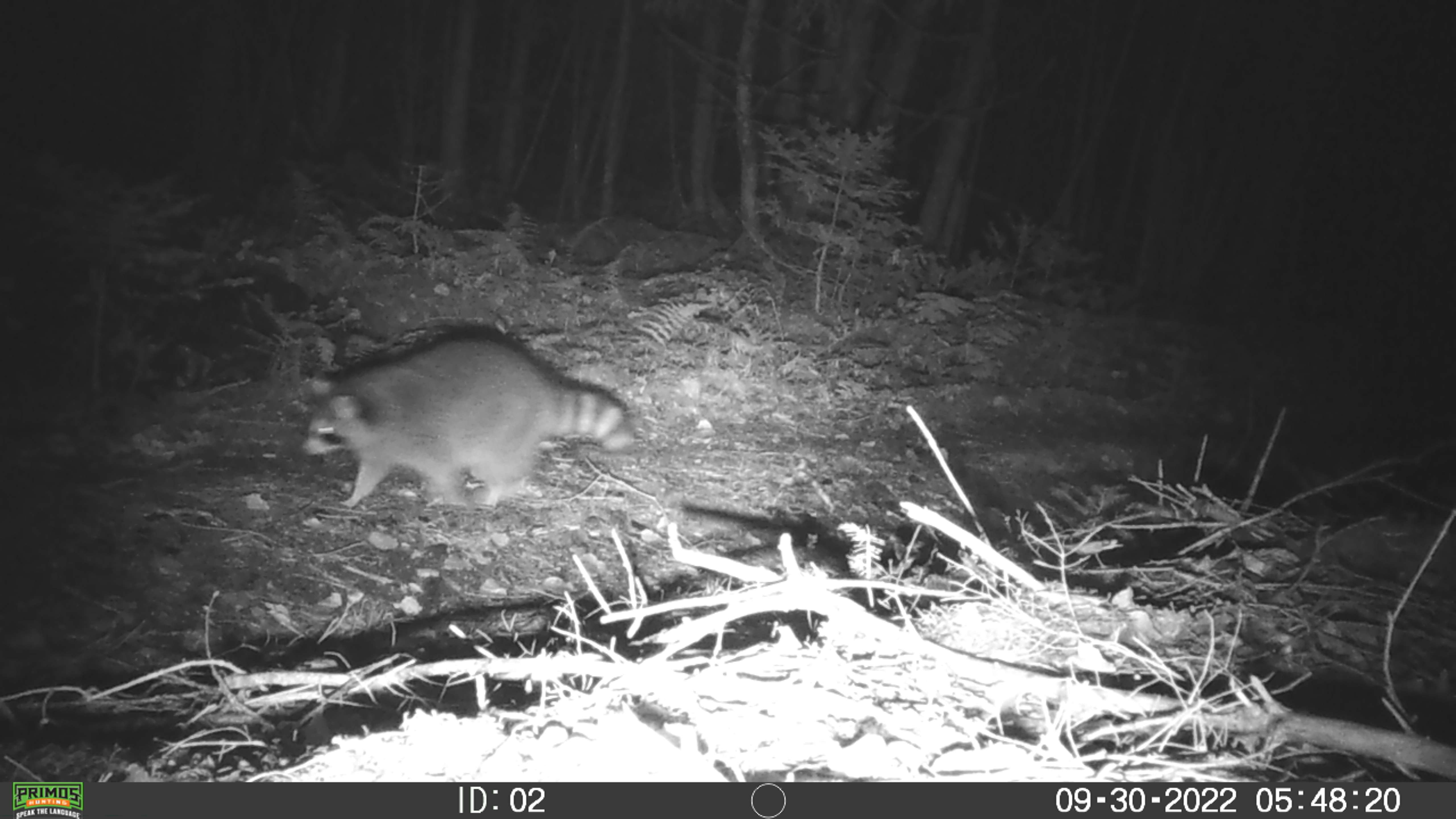
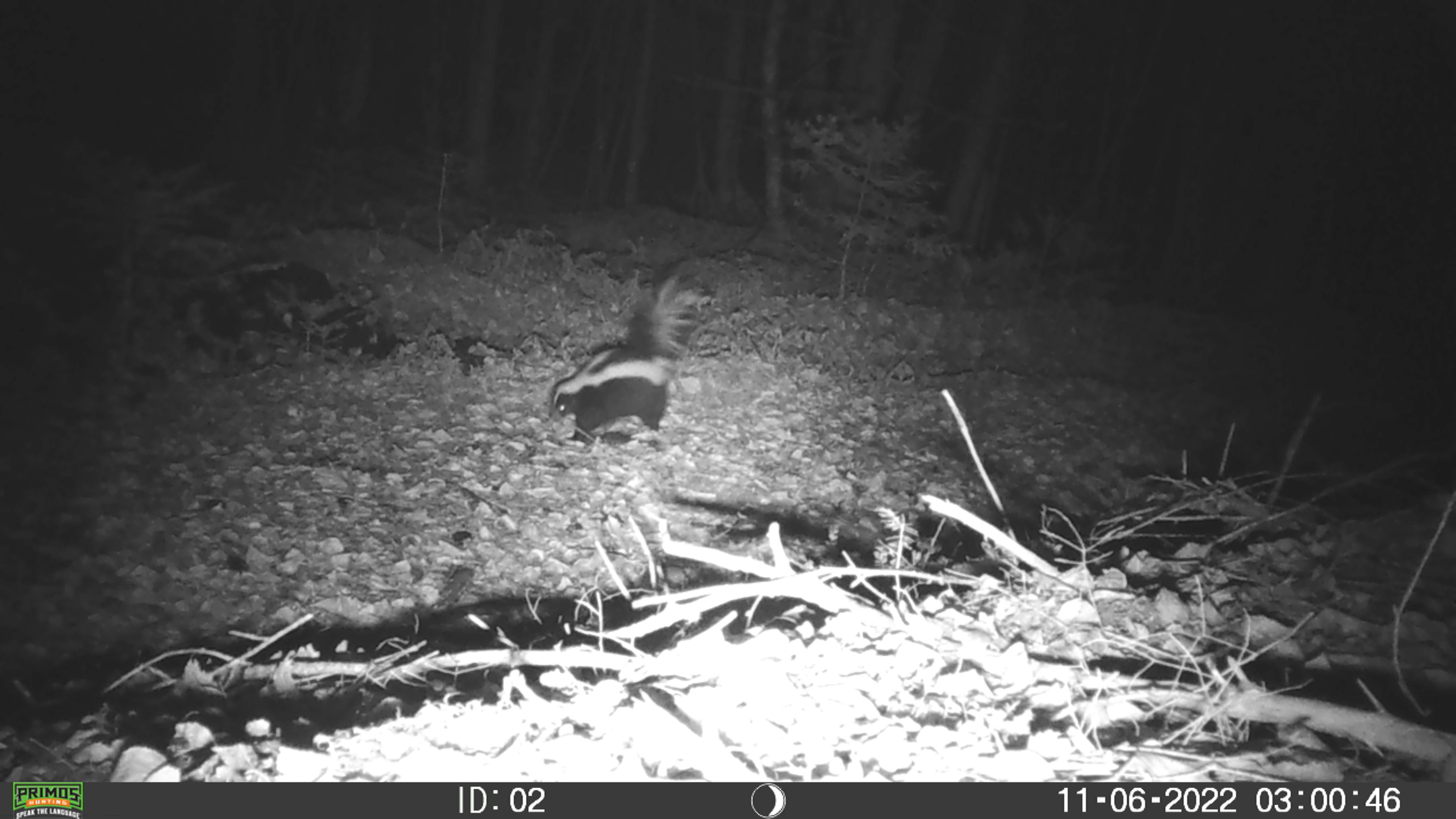
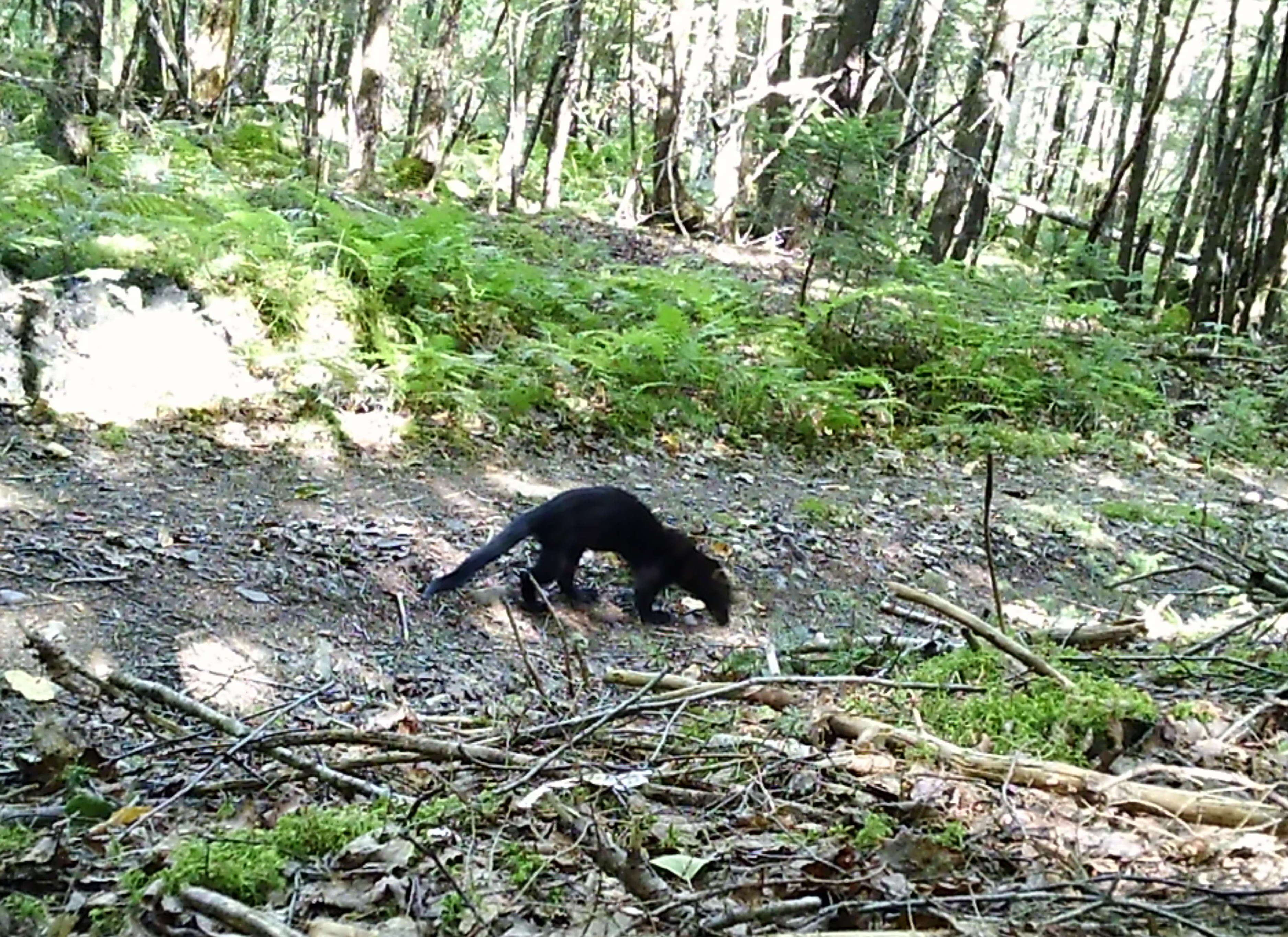
The most enlightening and thrilling action we took this year, was to install trail cameras along the route we walk most often. If we needed confirmation that we’re not alone, this sure provided it. Deer, coyote, and bobcat; rabbit, skunk, raccoon and baby beaver. A fisher, a pleasant surprise as they’re not plentiful in our area – that's the long-tailed black member of the weasel family, they're known to be one of very few species who prey on porcupines. The coyotes are healthy, with the wolf-like characteristics typical of the eastern breed. They walk the same trail as us, we’ve never caught sight of one but we know the precautions.
Here are some highlights from the trail cams, and echoing the original point of this post, they don’t stand out artistically as photographs, but invaluable for awareness and appreciation of wildlife simply living their lives where they belong. That's cause for celebration on World Wildlife Day and beyond.
As usual, thanks for spending some of your time here, sharing my love of nature. I hope you get the opportunity to hike the forest and gather your own tales of the trails!